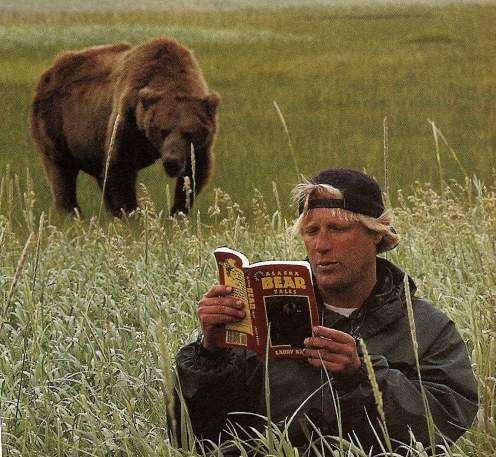
Somewhere along the way, creativity became a leaderboard. Followers, streams, views, awards. The feed ranks everything, so we started ranking ourselves. Who's ahead. Who's behind. Who's a "real" artist and who's just pretending.
Here's the thing: nobody who made something that lasted was competing. They were too busy making it.
At WISH* we work by five laws. None of them are ours. We took them from the people who proved them, one record, one book, one film at a time.
1. You are a real artist.
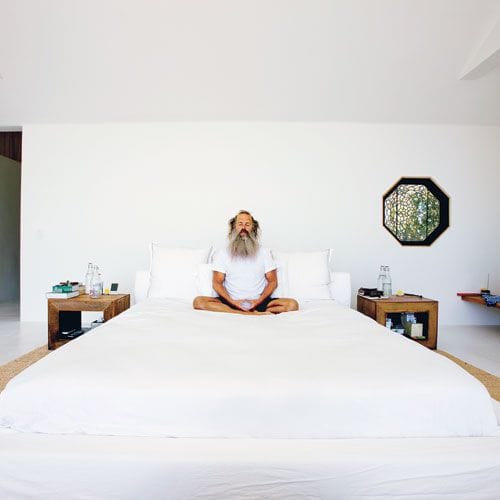
Rick Rubin has produced records for Johnny Cash and the Beastie Boys. He can't really play an instrument and says he has no technical skill on the board. In The Creative Act (2023), he argues that being an artist isn't a job title or a talent. It's a way of paying attention to the world.
Thirty years earlier, Julia Cameron wrote The Artist's Way (1992) for people who believed they weren't "real" artists. Lawyers, accountants, blocked writers. Her method was almost insultingly simple: three pages by hand, every morning, no matter what.
What we learned: nobody hands out the title. You earn it by making things.
2. Creativity is not a competition.
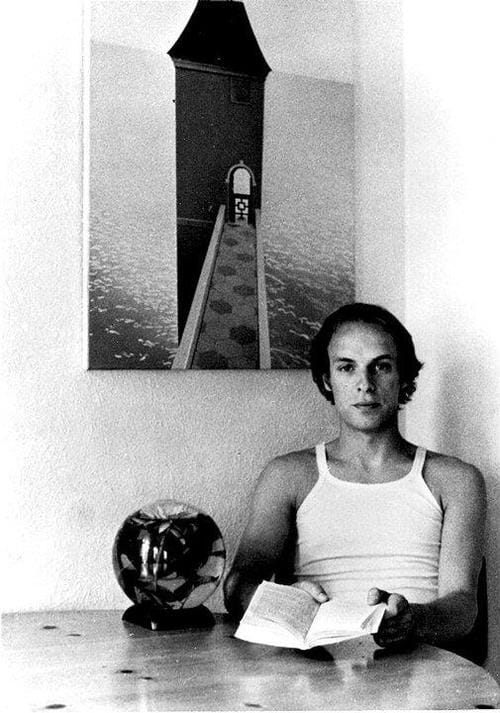
Brian Eno never bought the myth of the lone genius. He coined a word for what he saw instead: scenius, the intelligence of a whole scene. The idea is that great work grows out of communities of people who share tools, copy each other and push each other forward.
Austin Kleon built a whole book on it. Steal Like an Artist (2012) argues that nothing is completely original. Every artist is a remix of the people they loved first.
What we learned: someone else's talent isn't a threat. It's the soil you grow in.
3. Your creativity is stronger than your doubts.
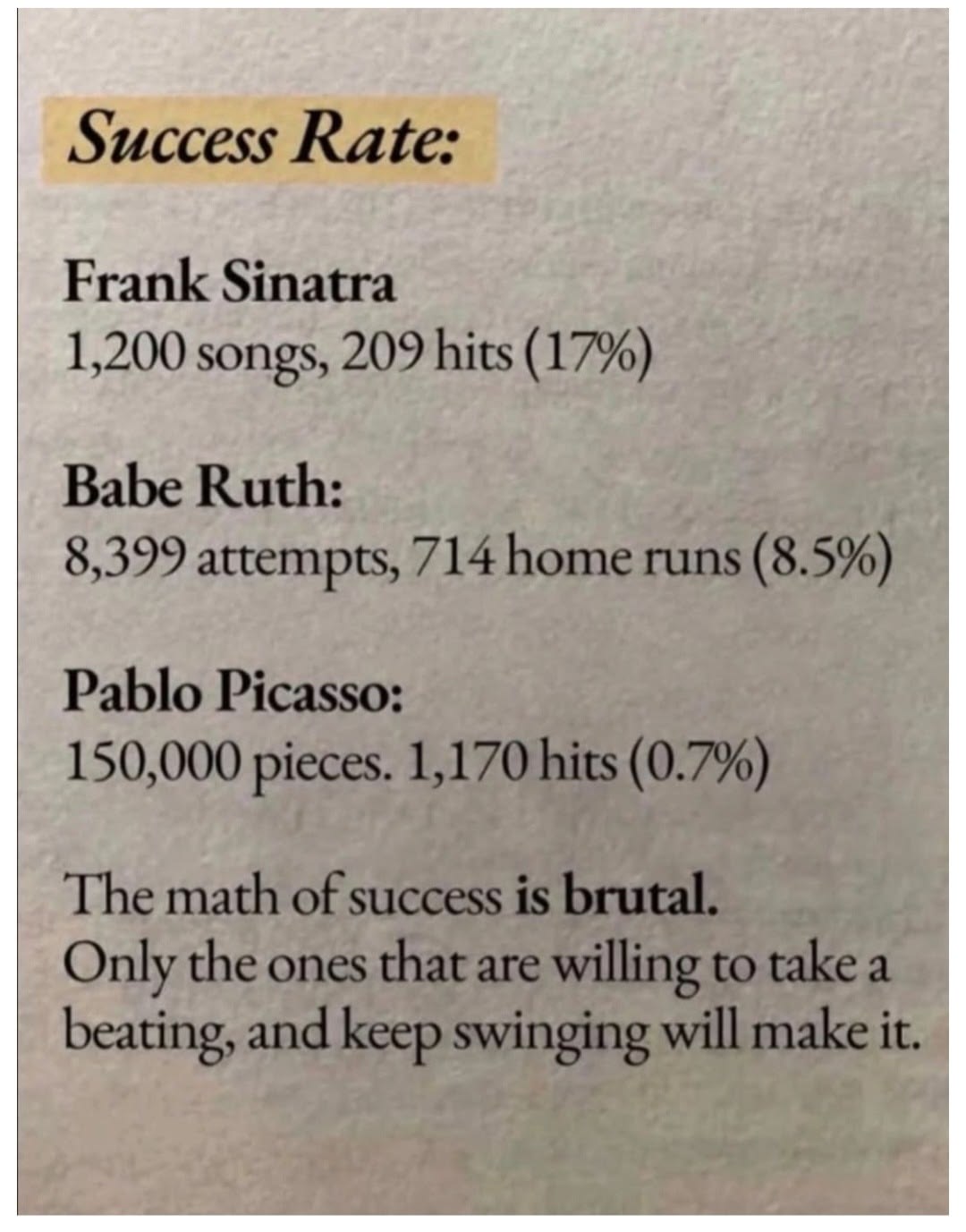
Steven Pressfield gave doubt a name in The War of Art (2002): Resistance. His rule is brutal and useful. The more a project matters to your soul, the louder the voice telling you not to do it.
Elizabeth Gilbert, in Big Magic (2015), makes peace with it instead. Fear can come along for the ride. It just doesn't get to drive.
What we learned: doubt isn't a stop sign. It's a sign you're close to something that matters.
4. Kill the fear and let the artist be born.

In November 2006, Justin Vernon's band had broken up and he was out of options. He drove to his father's hunting cabin in northwestern Wisconsin and stayed through the winter, alone, with a guitar and some old recording gear. He wasn't trying to make an album. He made For Emma, Forever Ago, self-released it in 2007, and Bon Iver was born.
In Barcelona, a flamenco student needed a final project to graduate from ESMUC. Rosalía chose a 13th-century Occitan novel, Flamenca, and turned it into a record. With no label budget, she put in her own money and nearly went broke doing it. El Mal Querer (2018) earned her top marks, and later a place in Rolling Stone's 500 greatest albums of all time.
What we learned: the artist is born the day you finish the thing you were scared to start.
5. Every fear is a portal. Fly through.
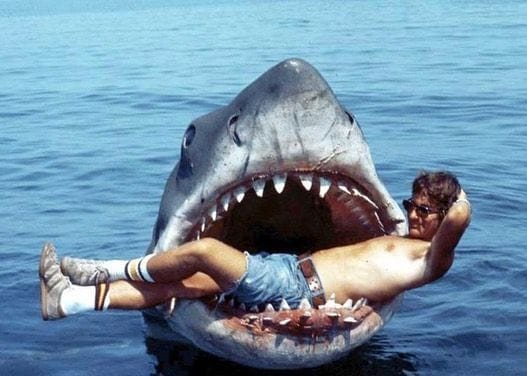
In 1974, a 26-year-old Steven Spielberg was shooting Jaws at sea, and the mechanical shark kept breaking. Salt water ruined the hydraulics. He couldn't show the monster, so he suggested it: a fin, a yellow barrel, two notes of music. What we don't see became the most frightening thing in the film.
Robert Rodriguez had no money for his first feature. So he signed up for clinical drug trials in Austin, wrote the script while he was locked in the research facility, and shot El Mariachi (1992) for about $7,000. Columbia Pictures bought it.
What we learned: the limit is the idea. The fear is the door.
The only race worth running
A cabin. A thesis. A broken shark. A drug trial. None of these stories started with a winner. They started with someone who was scared and made the thing anyway.
That's the house we're building at WISH*: not a stage where artists compete, but a place where they can make what they're afraid to make, with the people and the design to take it big.
You are a real artist. Now make something.