Back in the 2000’s the internet didn't live in your pocket. It lived in a beige box in the corner of the living room, and you had to ask permission to use it.
You went online the way you went to the park. For a while, and then you came back.
You typed something into Google, clicked a link, then another, then another, and three hours later you were watching a video of a guy playing a song on a guitar made from a cigar box, with no idea how you got there. It felt less like using a product and more like getting lost in a city at night.
We miss that. TikTok is full of Y2K edits, low-res webcam filters and kids who weren't born yet getting nostalgic for a version of the internet they never used.
But it's worth asking the uncomfortable question. Were we free back then? Or were we just early?
A short guided tour of the internet
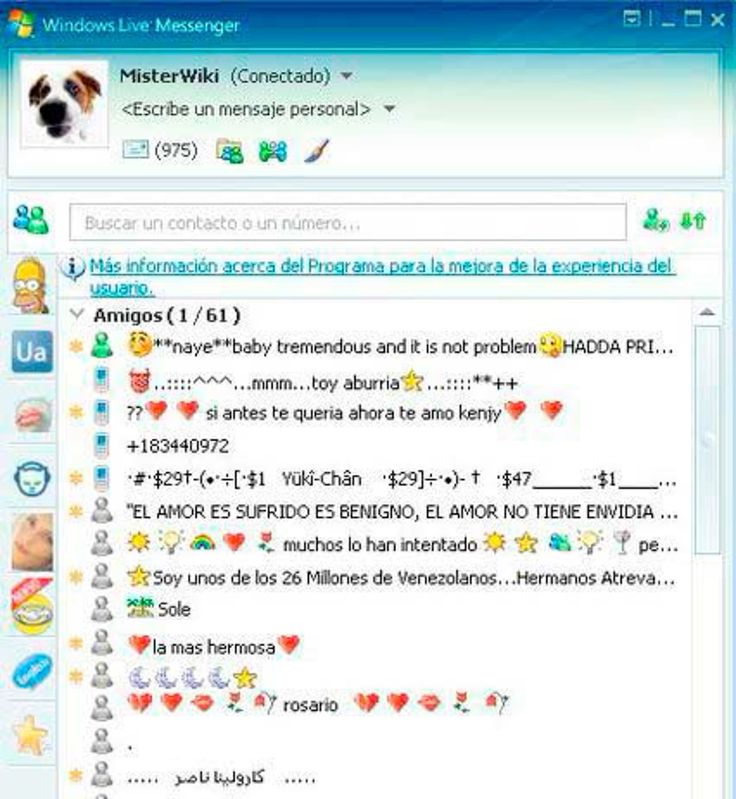
MSN Messenger. Launched in 1999. You got home from school and kept talking to the same people you'd just left. Your status was a whole personality: a cryptic phrase, a song you were listening to, an emoticon that meant something only to one person. You sent a nudge and the window shook. Microsoft switched it off in March 2013 and moved everyone to Skype.
Myspace. Born in 2003. Tom was your first friend whether you liked it or not. Your profile was a crime scene of glitter GIFs and custom code you didn't understand, and your Top 8 could end friendships. It was also where bands lived. Arctic Monkeys, Lily Allen and Adele were all found there. In 2019, Myspace admitted it had lost everything uploaded between 2003 and 2015 in a server migration: around 50 million songs from 14 million artists. Demos, first songs, whole careers. Gone.
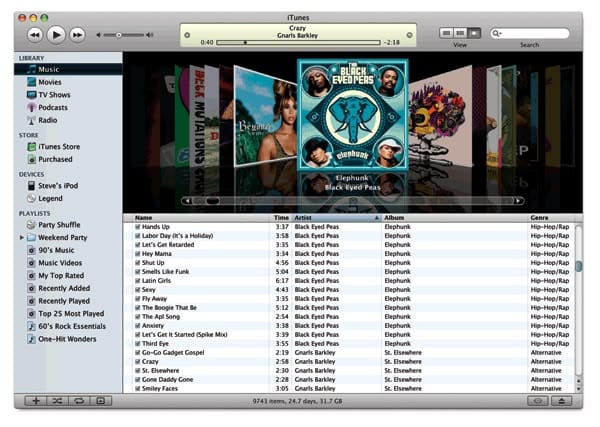
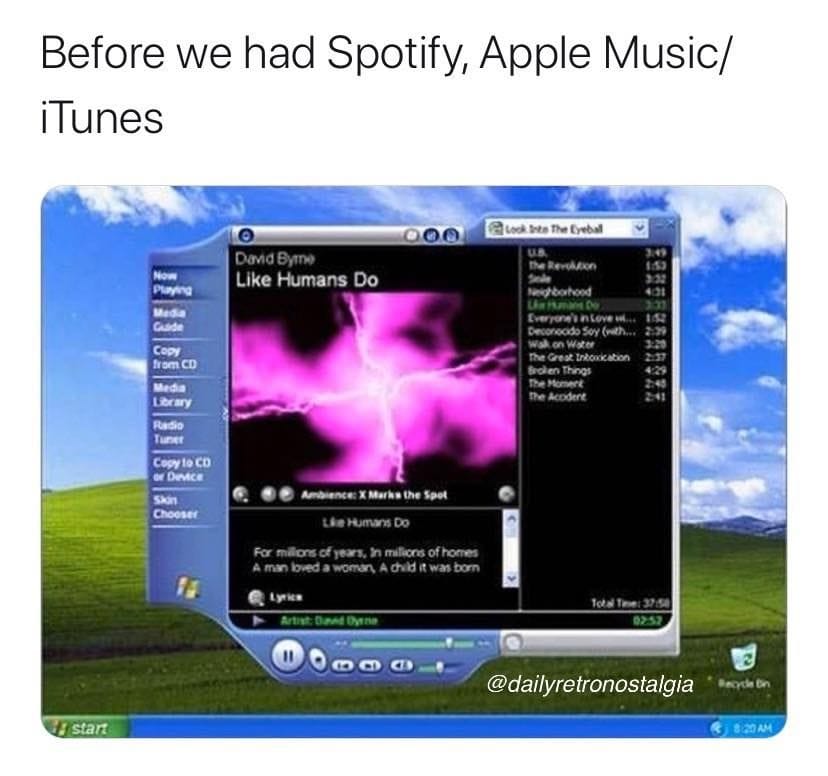
iTunes. You found music by following one artist to another, through forums, blogs and friends with better taste than you. Discovery took effort, and that's exactly why it felt like yours.
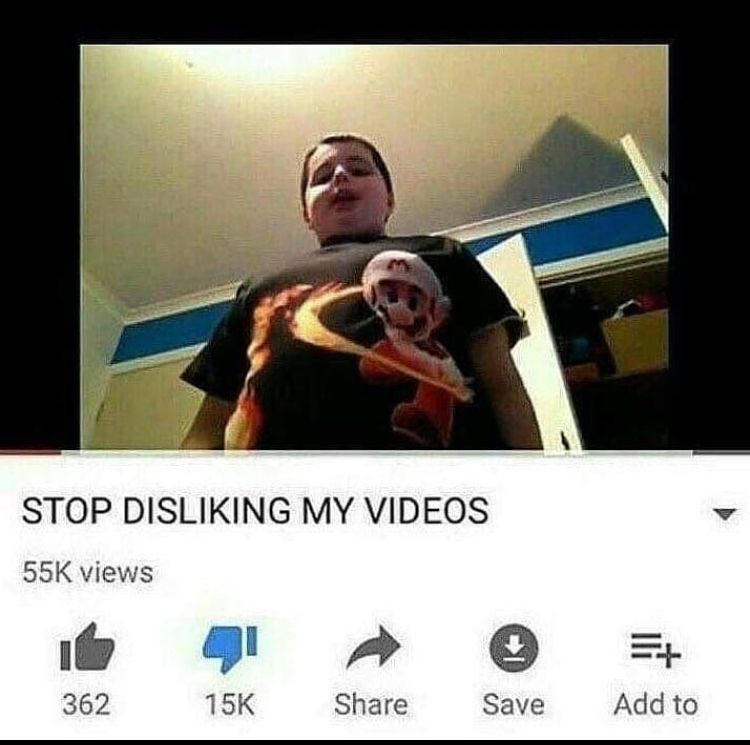
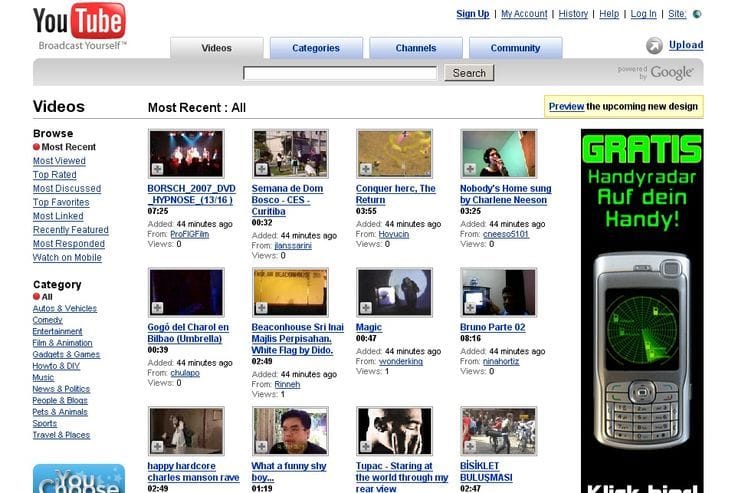
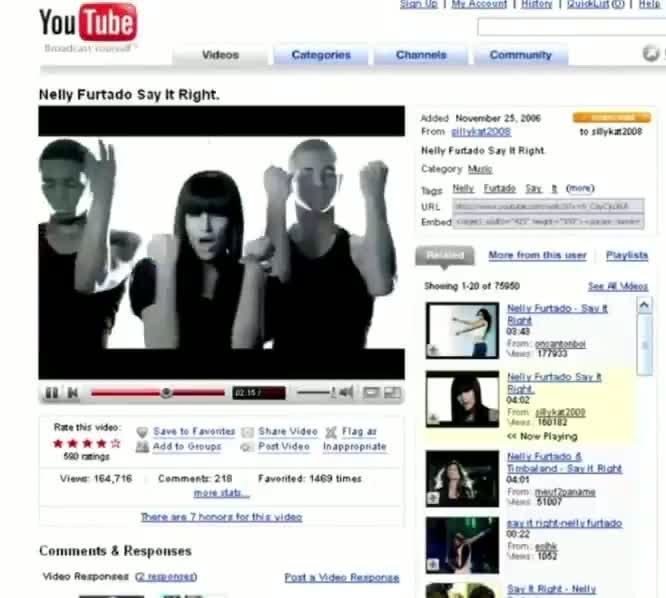
YouTube. In 2005 the first video was a guy standing in front of elephants at a zoo. For years the site was like that: weird, amateur, impossible to predict. You searched for one thing and found a hundred you didn't know you needed. But that our friends, was beautiful.
Tuenti. If you grew up in Spain, this was the one. Founded in Madrid in 2006, it was invitation-only, which made it feel like a party you'd been let into. For a few years it had more Spanish users than Facebook. You tagged your friends in 200 photos from one night and that was the whole point. Telefónica bought it in 2010, the social network closed in 2016, and a generation's photo albums went with it. RIP.
Facebook. It started in 2004 as a directory for college students. You poked people. You wrote on walls. Your status began with "is," in the third person, like you were narrating your own life. It felt like a small town. It would not stay that way.
So, were we innocent?
Here's the part the Y2K edits leave out. We weren't free. We were just the first batch.
In 2006, a designer named Aza Raskin invented infinite scroll. His logic was clean: if you haven't found what you're looking for, why make you click "next page"? It was meant to remove friction. Years later he said he regretted it, because he hadn't thought about how it would be used. The bottom of the page was the last natural place to stop.
In 2017, Sean Parker, Facebook's first president, said the quiet part out loud. The goal was simple, to consume as much of your time and attention as possible. The likes, the comments, the notifications were a feedback loop built on what he called a vulnerability in human psychology.
So the cozy internet we miss wasn't a different internet. It was the same machine, before it learned what we were worth. The poke became the like. The like became the algorithm. The wall became the feed, and the feed stopped ending.
That's the real difference. Back then, the internet was a place you went. Now it's a place you never leave. Entertainment had an off switch: the computer was in the living room, the connection was slow, your mum needed the phone. Today the off switch is your willpower, and there are thousands of engineers paid to beat it.
What we actually miss
Maybe digital nostalgia isn't about the technology at all. Nobody misses the dial-up. Nobody misses waiting twenty minutes for one song to download and finding out it was a virus.
We think that what we miss is the feeling. Getting lost on purpose. Finding something nobody recommended. Having an internet that ended, so the rest of the day could start. The pleasure of discovery, before discovery was automated and served to us in a feed.
That feeling isn't gone. It just isn't free anymore. It has to be designed back in, by people who care more about what you remember than how long you stay.
That's the internet we're trying to make. Things worth finding. Stories with an ending.
And yes, you can close this tab now.