Nobody is working today. Not really.
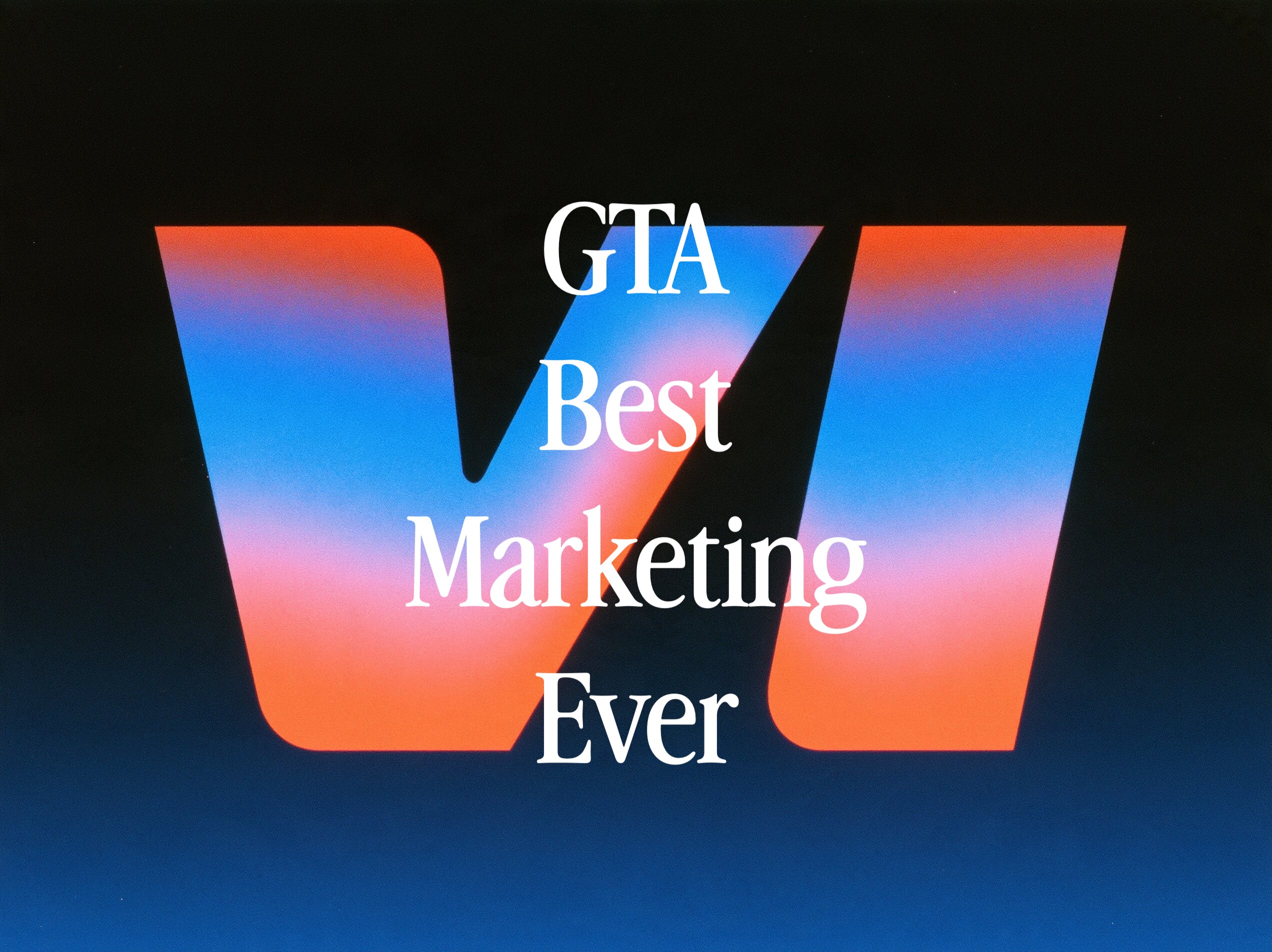
Grand Theft Auto VI is out, on PlayStation 5 and Xbox Series X|S, thirteen years after GTA V. Half the people you know took the day off, called in sick, or are pretending to answer emails with a controller on their lap. The game was first promised for 2025. Then for May 26, 2026. Then for today. Two delays, and somehow the wait only made people want it more.
It's easy to say GTA sells because it's GTA. That's the lazy version. The more interesting story is that this franchise has been, from day one, a masterclass in something most brands still get wrong: how to turn a story into an event. And it all started with a mistake.
Start with the mistake
In the mid-nineties, a small Scottish studio called DMA Design, the team that would later become Rockstar North, was making a game called Race'n'Chase. Cops and robbers. You could play either side. It was supposed to take 18 months. It took 30, and for most of that time it had one big problem: it wasn't fun.
Then something broke. Bad pathfinding made the police cars try to drive straight through the player, so instead of politely pulling you over, they rammed you off the road. Anyone else would have filed a bug report. The team played it, laughed, and realised the chase had suddenly become the best part of the game. They kept the error, tweaked it, and built everything else around it.
That's the first lesson, and it's not about video games. The best ideas rarely arrive finished. Sometimes they look exactly like a mistake, and the job is to notice when the mistake is more alive than the plan.
Make them talk
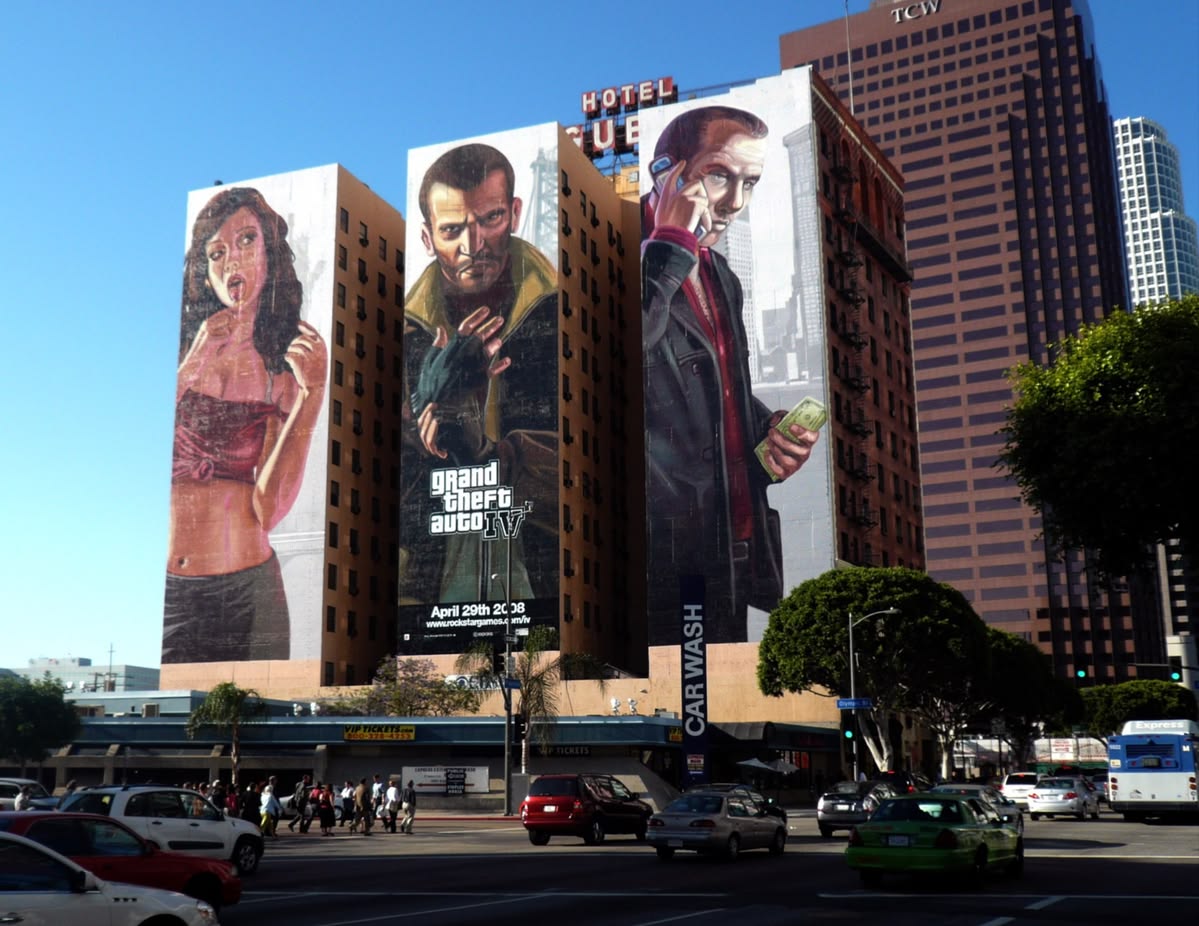
When the first Grand Theft Auto came out in 1997, its publisher, BMG Interactive, hired Max Clifford, at the time the most notorious publicist in British tabloid culture. The plan wasn't to defend the game's violence. It was to sell it.
Stories about hit-and-runs and police chases started appearing in the press. In May 1997, a former Scottish Secretary stood up in the House of Lords and warned that there would be nothing to stop children from buying it. The Daily Mail ran its own outrage. And the marketing team took clips from that House of Lords debate and used them in the game's radio ads.
Years later, the game's co-creators would say Clifford designed the whole outcry. The scandal wasn't something that happened to the campaign. It was the campaign. A small game from Dundee became something every teenager in Britain had to have, precisely because adults said they shouldn't.
We're not saying every brand should hire a tabloid fixer. But GTA understood something early: culture doesn't move when you shout louder. It moves when people can't stop talking about you, for or against.
Turn a launch into an event
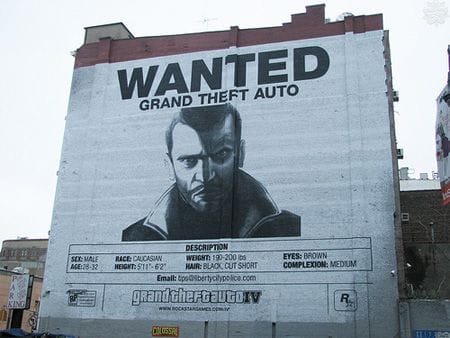
Fast forward to 2013. GTA V made $1 billion in three days, the fastest any entertainment product had ever reached that number, according to Guinness World Records. It beat the records held by Call of Duty and by blockbuster films like The Avengers and Avatar. That's the moment the industry stopped treating GTA like a game and started treating it like a cultural holiday.
Say less
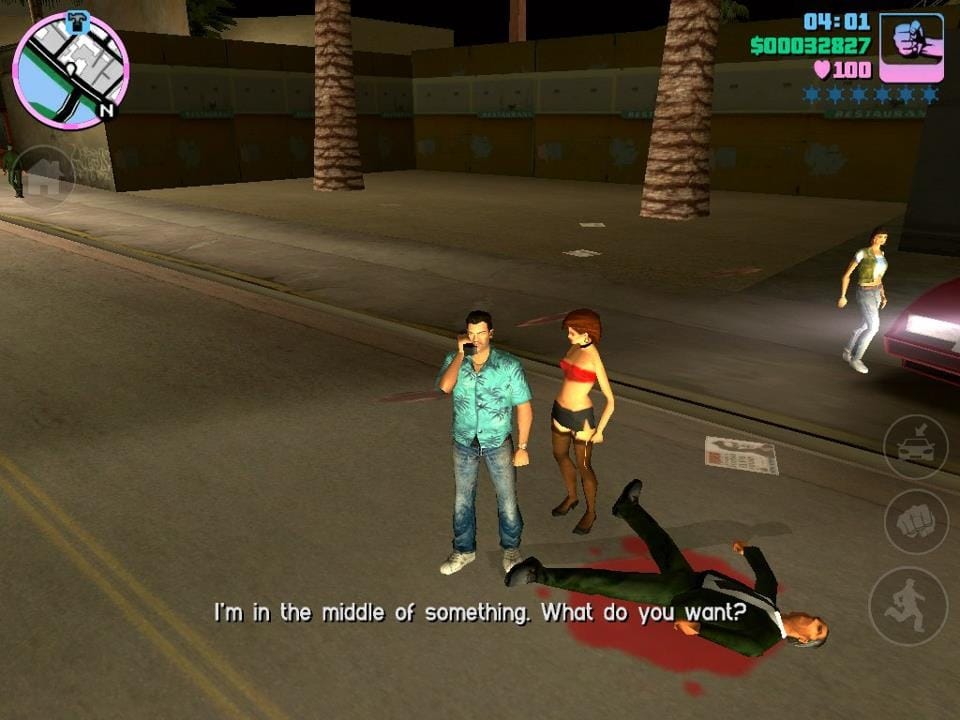
Then came the silence. For years after GTA V, Rockstar barely said a word about what came next. In a world where every brand posts three times a day, one of the biggest entertainment companies on the planet chose to disappear. The less they said, the more people talked.
When the first GTA VI trailer finally arrived in December 2023, it didn't even go to plan. It leaked, and Rockstar had to release it early. It didn't matter. It pulled more than 90 million YouTube views in 24 hours.
The second trailer, in May 2025, dropped with no warning. Rockstar says it reached 475 million views across platforms in its first 24 hours. For comparison, the Deadpool & Wolverine trailer had held the record with 365 million, with the help of a Super Bowl slot. A video game beat Marvel at its own game, with two and a half minutes of footage and almost no explanation.
Let them wait
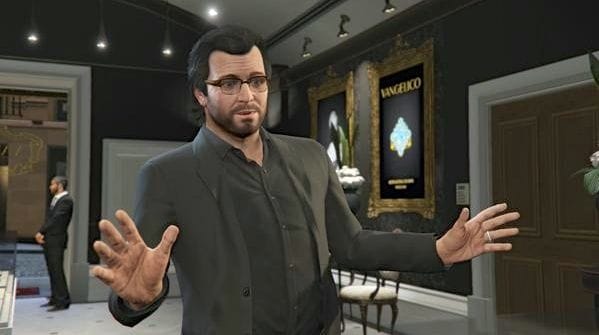
In most industries a delay is a crisis. Rockstar delayed GTA VI twice: out of 2025, then out of May 2026. Each time, the date became news, the waiting became a meme, and the hype got bigger instead of smaller.
It works because people weren't waiting for a product. They were waiting for a story they already cared about: a return to Vice City, two new characters, and the feeling that something huge was about to happen. You can make people wait for a story. You can't make them wait for an ad.
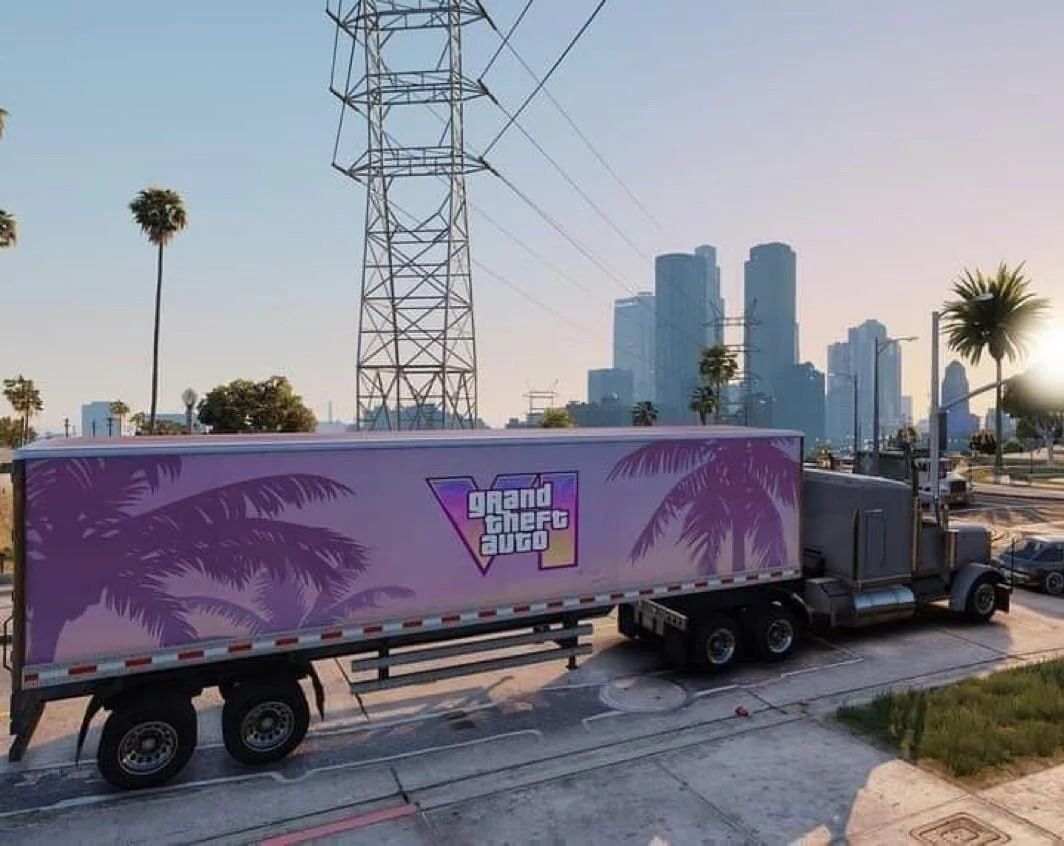
Stories aren't waited for. They're chased.
Look at the whole arc and it reads less like a product history and more like a script. A bug that became the idea. A scandal that became the campaign. A silence that became the hype. A leak that became a record. Two delays that became anticipation.
None of it was luck. It was a team that understood, earlier than anyone, that people don't fall for products. They fall for stories, characters and moments they can talk about. Everything else, from the trailers to the delays, was just a way of telling that story at the right pace.
That's the job, whether you're launching a game, an album or a brand. Find the thing that's alive, even if it looks like a mistake. Give people something to talk about. Say less than you could. And make the wait part of the story.
Enjoy Vice City. We'll be here when you come back.